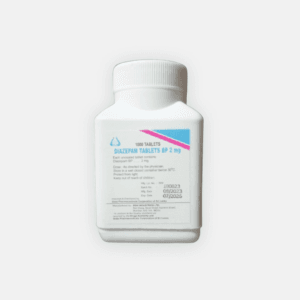
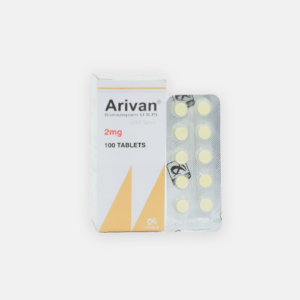
Uses:
- Insomnia: Helps in reducing the time to fall asleep and increases sleep duration
- Seizure Disorders: Sometimes used as an adjunct treatment for epilepsy
- Anxiety: Occasionally prescribed for severe anxiety (short-term use only)
Mechanism of Action:
Nitrazepam enhances the activity of gamma-aminobutyric acid (GABA), a neurotransmitter that inhibits activity in the brain. This leads to a calming effect, reduced anxiety, muscle relaxation, and sedation.
Dosage:
- Adults (for insomnia): 5-10 mg before bedtime
- Elderly/Debilitated Patients: Lower doses are recommended due to increased sensitivity
- Seizure Control: Doses vary depending on the patient’s condition and response
Always follow the prescribed dose from your healthcare provider.
Side Effects:
- Drowsiness or sedation
- Dizziness
- Muscle weakness
- Fatigue
- Memory impairment
- Headache
- Confusion (especially in the elderly)
Precautions:
- Addiction Risk: Prolonged use can lead to dependence, tolerance, and withdrawal symptoms
- Avoid Alcohol: Can enhance the sedative effects, increasing the risk of respiratory depression
- Contraindicated in: Severe respiratory insufficiency, sleep apnea, myasthenia gravis, and acute narrow-angle glaucoma
Withdrawal Symptoms:
If used long-term, abrupt discontinuation may cause:
- Anxiety
- Insomnia
- Irritability
- Tremors
- In rare cases, seizures