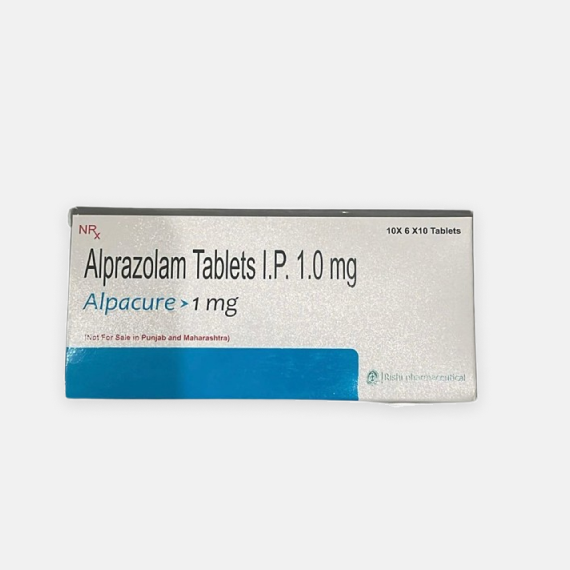
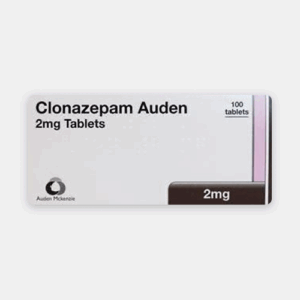
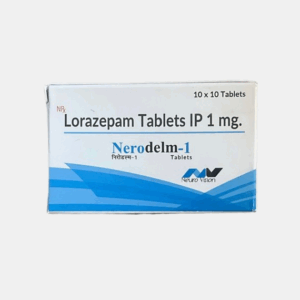
Alprazolam belongs to the benzodiazepine class of medications, which act on the brain and nerves (central nervous system) to produce a calming effect. It works by enhancing the effects of a natural chemical in the body (GABA).
Key Information
1. Dosage
- Typically prescribed by a healthcare provider, the dosage depends on the individual’s medical condition, age, and response to treatment.
- It is generally taken orally, with or without food.
2. Precautions
- Habit-forming: Alprazolam has the potential for abuse, dependence, and addiction. Use it only as prescribed
- Avoid alcohol or other sedatives while taking this medication.
- Do not stop taking it suddenly, as it can lead to withdrawal symptoms.
- Consult your doctor if you have a history of depression, substance abuse, or any breathing problems.
3. Side Effects
- Common: Drowsiness, dizziness, fatigue, and dry mouth.
- Severe: Memory problems, confusion, or mood changes. Contact a healthcare professional if these occur.
4. Interactions
- May interact with other medications, such as opioids, antihistamines, or antidepressants.
- Avoid grapefruit or grapefruit juice as it can increase the medication’s effects.
Important: Alprazolam IP 1.0 mg should only be used under medical supervision. Misuse or overuse can have severe health consequences. Always follow your doctor’s instructions.