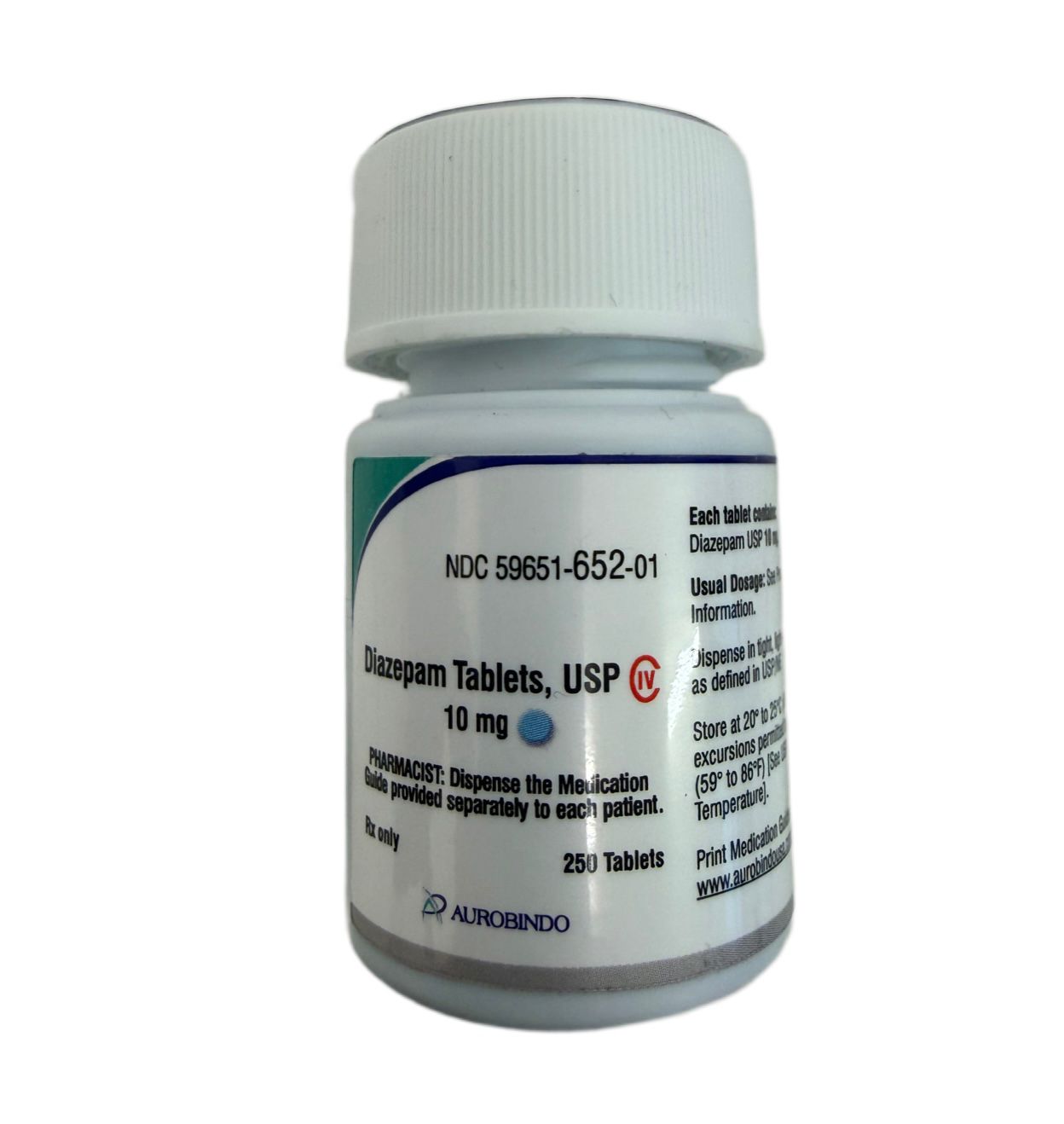
What is diazepam?
Diazepam is a benzodiazepine medicine. It acts on the brain and nerves to produce a calming, muscle-relaxing, and anti-seizure effect.
Common Uses
Diazepam 10 mg may be prescribed for:
- Anxiety disorders (short-term relief of severe anxiety)
- Muscle spasms and muscle stiffness
- Acute alcohol withdrawal symptoms (e.g., tremors, agitation)
- Seizures (including emergency control or as add-on therapy)
- Pre-procedure sedation (to relax patients before medical/dental procedures)
It is usually intended for short-term use due to the risk of dependence.
How It Works
Diazepam enhances the effect of GABA, a natural calming chemical in the brain, which reduces excessive nerve activity.
Common Side Effects
- Drowsiness or sedation
- Dizziness
- Fatigue
- Muscle weakness
- Poor coordination or slowed reactions
Serious Side Effects (Seek Medical Help)
- Breathing difficulties
- Severe confusion or memory problems
- Extreme sleepiness or unresponsiveness
- Mood or behavior changes (agitation, aggression)
Important Warnings
- Risk of dependence and withdrawal if used long-term or stopped suddenly
- Do NOT mix with alcohol, opioids, or other sedatives (can be life-threatening)
- Can impair driving or operating machinery
- Use with caution in:
- Elderly patients
- Liver or lung disease
- History of substance misuse
- Pregnancy and breastfeeding
Stopping Diazepam
Do not stop suddenly — doses usually need to be reduced gradually to avoid withdrawal symptoms (anxiety, tremors, seizures).
Storage
- Store at room temperature
- Keep out of reach of children
- Use only if prescribed specifically for you